
As AI continues to redefine the creative landscape, 2026 marks a pivotal year for visual storytelling. For graphic designers, creative directors, content creators, and digital marketers, the future of storytelling is no longer just about captivating images; it is about crafting narratives that deeply resonate with audiences while pushing the boundaries of creativity. With the latest breakthroughs in AI-driven graphic design, the power to create visually stunning and emotionally authentic stories is now in your hands.
This spring, the most impactful AI stories share three defining traits: emotional authenticity, where personal symbolism and lived experiences anchor each image; adaptive layouts that seamlessly reflow across platforms without losing impact; and AI-powered personalization, where tools like Pixlr enable you to create scalable, one-to-one visual experiences that stay true to your brand’s essence.
Whether you are leading design campaigns, creating social content, or shaping brand assets, these trends reflect a new era where technology amplifies empathy, efficiency elevates artistry, and every creative decision is rooted in human
connection. Dive in to discover how AI is transforming visual storytelling in Spring 2026 and how you can harness it to stay ahead in your craft.
Why AI Is Reshaping Visual Storytelling in 2026
In 2026, AI storytelling has evolved from a novel concept to an essential creative tool. At the forefront of this shift are advancements in generative AI, which go beyond basic image generation. Today’s multimodal AI models can understand context, tone, and visual language across text, images, and video. This enables creators to craft cohesive AI-driven stories that feel intentional, not random. New tools now offer features that ensure style consistency, locking in color palettes, typography, and compositional rules, guaranteeing every output aligns with your brand identity, even across large-scale projects.
For busy creative teams, the efficiency gains are transformative. What once took days, such as iterating on concepts, resizing for multiple channels, and localizing visuals, can now be achieved in hours. Rapid iteration enables real-time creative testing, and asset scaling allows one master design to auto-adapt for Instagram, email, print, and web. Dynamic personalization enables marketers to deliver tailored visuals to individual users without manual effort. This is the core of an AI-powered creative workflow: faster production, smarter reuse, and deeper audience connection.
However, with great power comes great responsibility. Leading creators in 2026 are adopting ethical AI practices, guiding output with curated prompts, enforcing human-in-the-loop editing, and treating AI as a collaborator rather than a decision-maker. The focus is not just on speed but on brand-aligned storytelling that remains authentic and accountable.
Platforms like Pixlr Express and the Pixlr AI Video Generator are designed to support this new era of creative work. They empower designers to maintain creative control while AI handles repetitive tasks, producing consistent, on-brand visual storytelling that scales without sacrificing authenticity. In 2026, the question is not whether to use AI, but how to use it wisely to enhance your creative process.
Top 5 Spring 2026 Design Trends for Creators
As we move into Spring 2026, visual storytelling is being reshaped by a thoughtful balance of human insight and intelligent tools. For graphic designers, creative directors, content creators, and digital marketers, success lies not in replacing creativity with technology, but in using AI to amplify intention, empathy, and efficiency. These five design trends reflect the priorities of today’s top creators and how Pixlr empowers them to bring these ideas to life without compromising on brand integrity or emotional resonance.
1. Emotion-First AI Stories
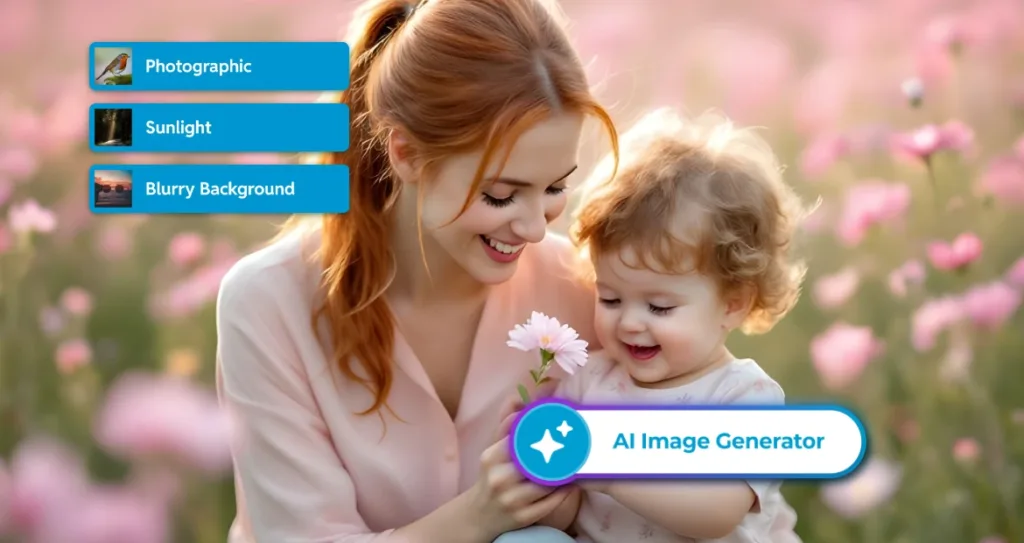
Audiences are increasingly drawn to authenticity rather than perfection. In Spring 2026, the most engaging AI stories will focus on genuine human moments, whether it is a symbolic detail, a shared tradition, or an intimate everyday scene. For creators, this means incorporating emotional context into visuals and thoughtfully scaling them across campaigns. Pixlr supports this with its AI Image Generator, offering presets such as ‘cinematic’ or ‘photographic,’ along with preset lighting options and compositions to create authentic images. This ensures your storytelling remains personal, consistent, and deeply human.
2. Adaptive Layouts for Multi-Platform Storytelling
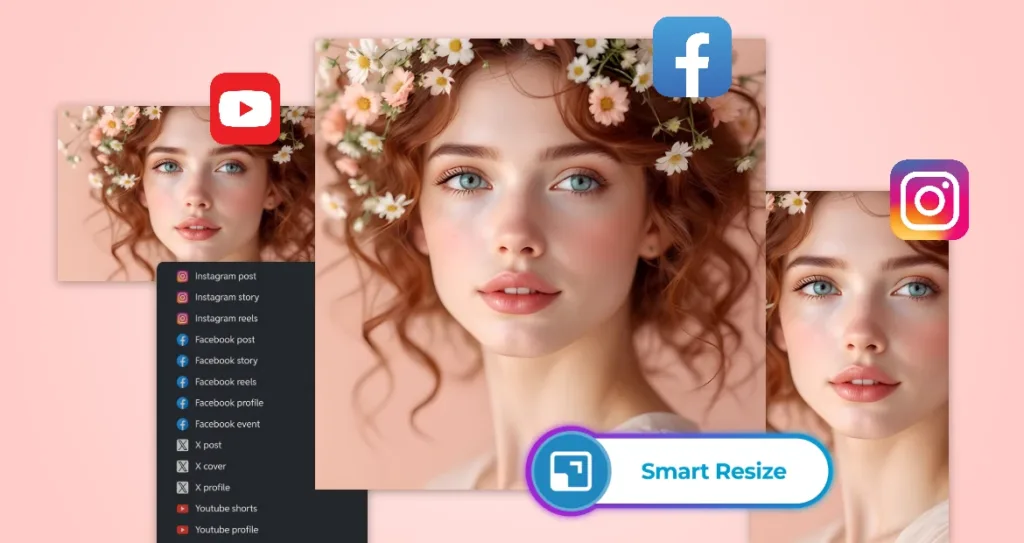
In 2026, static, single-format designs are no longer sufficient for today’s content needs. Visuals must seamlessly adapt from Instagram Stories to email headers, print assets, and beyond, without losing clarity or brand cohesion. As the demand for multi-platform content grows, consistency across all formats becomes increasingly crucial for effective communication. Pixlr’s Smart Resize tool helps creators design once and deploy everywhere. This makes it easier to maintain visual hierarchy and messaging across all touchpoints in your AI-powered creative workflow. With automatic resizing for various formats, creators can quickly scale designs to meet the requirements of different channels while preserving brand integrity. This tool streamlines the creative process, saving time and ensuring that each visual is optimized for its specific platform.
3. Neo Montage Where Memory Meets Machine
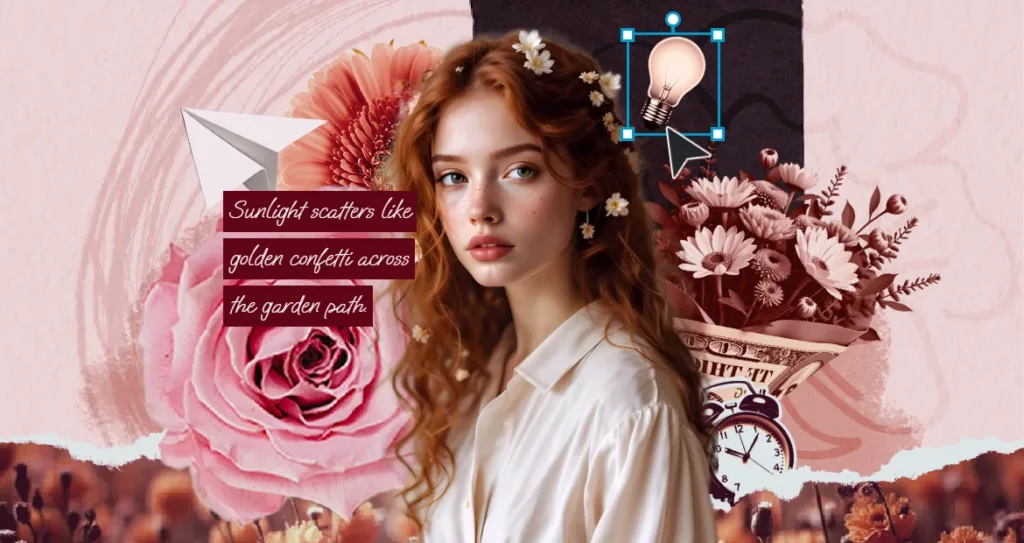
A refined collage aesthetic is emerging as a defining trend for Spring 2026. Designers are blending scanned textures, handwritten elements, and personal photography with AI-generated components to create layered visuals that are both nostalgic and forward-looking. This hybrid approach adds depth and tactility to digital storytelling. Pixlr’s layer-based editor, along with its library of tactile design elements, allows you to integrate these components effortlessly, giving you full creative control as you explore this evocative style. By combining traditional and digital elements, designers can evoke strong emotional connections while embracing modern technological possibilities.
4. Inclusive Visual Language by Design
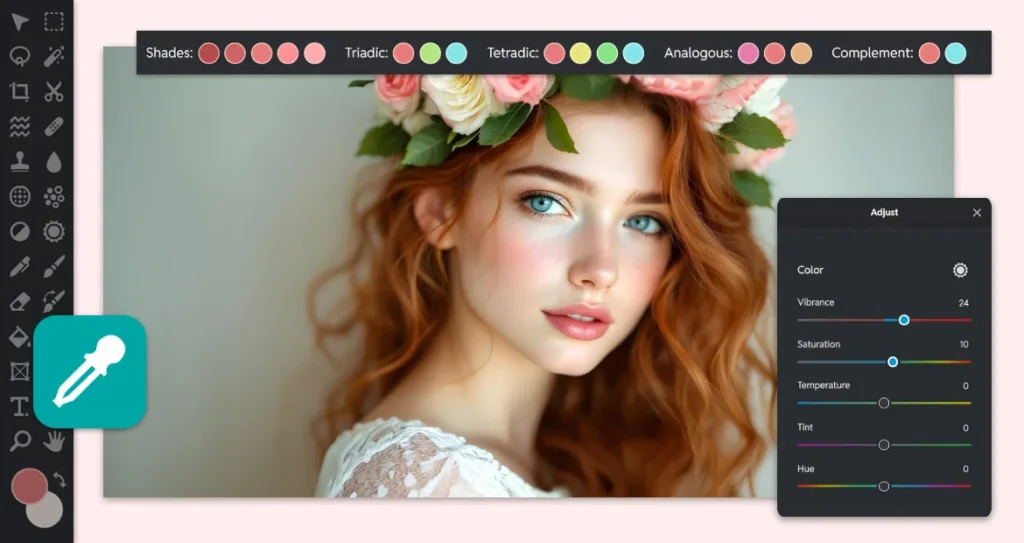
Inclusivity is now a core principle of design. Spring 2026’s trends emphasize accessibility through high-contrast color palettes, legible typography, and culturally respectful imagery that resonates with diverse audiences. For brand and marketing teams, this is not only an ethical consideration but also a strategic one. Pixlr helps implement these practices into your workflow with tools like the Color Picker, which suggests five different color collections (Shades, Triadic, Tetradic, Analogous, or Complementary). In addition, Pixlr’s ‘Adjust’ tool within Pixlr Express allows you to fine-tune color, lighting (brightness, exposure, contrast), and other details in one panel, ensuring your visual storytelling reaches and respects everyone.
5. Sustainable, Reusable Design Systems
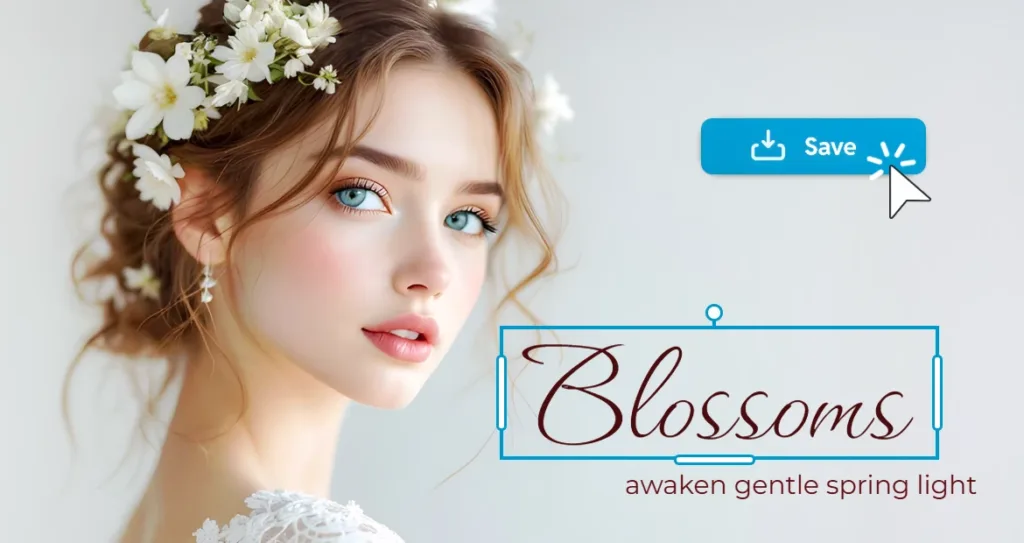
Efficiency and sustainability are converging in 2026. Leading creative teams are building modular systems, reusable templates, and organized asset libraries to reduce redundant work and enhance collaboration. This approach saves time while ensuring long-term brand consistency. Pixlr supports this by enabling easy file sharing without requiring the packaging of fonts and images as separate files. Files shared via Pixlr retain their original fonts and images as linked assets, simplifying adaptation. This makes it easier to adapt designs for future campaigns. Additionally, Pixlr’s Smart Resize feature helps create reusable templates by automatically resizing designs for various platforms.
Together, these trends reflect a new era in visual storytelling, one where technology serves the creator, not the other way around. With Pixlr, you’re equipped to embrace Spring 2026’s most meaningful design directions while staying true to your creative vision and brand values.
How to Build Your AI Story Using Spring 2026 Trends
Creating a powerful AI story in Spring 2026 starts not with a prompt, but with purpose. Ask yourself: What emotion are you evoking? What message must land? Who is your audience, and how do you want them to feel after seeing your visual? This human-first mindset is the foundation of every successful project, whether you are designing an email campaign, a social media series, or a full brand narrative.
Begin by building a mood board that captures your desired tone. Gather references that reflect the emotional authenticity, color language, and compositional style you want to convey. This step ensures your AI storytelling stays anchored in intention, not randomness. Once your direction is clear, bring it into Pixlr to generate visual variations. With your brand guidelines and Spring 2026’s key design trends for creators in mind, use AI tools to explore layouts, color palettes, and imagery.
First, prioritize readability and accessibility. Choose fonts and contrast levels that work across devices and audiences. Second, adapt your layouts for every platform from the start design in Pixlr using templates that support seamless resizing for Instagram, email, web, and print. Third, infuse personal meaning into your visuals, whether through symbolic motifs, candid moments, or culturally resonant details. This is where AI in graphic design 2026 shines: it helps you scale emotional nuance without diluting it.
Crucially, never skip the human edit. AI proposes possibilities, but you compose the final story. Review every output for brand alignment, inclusivity, and narrative coherence. Tweak colors, reposition text, or layer in your own photography to add authenticity. This iterative, human-in-the-loop approach ensures your visual storytelling remains both efficient and deeply human.
When done right, this AI-powered creative workflow transforms AI from a novelty into a true creative ally. With Pixlr, you are not outsourcing your vision but accelerating it. And in Spring 2026, that balance is what separates fleeting content from lasting connection.
The Future of AI Storytelling Is Human First
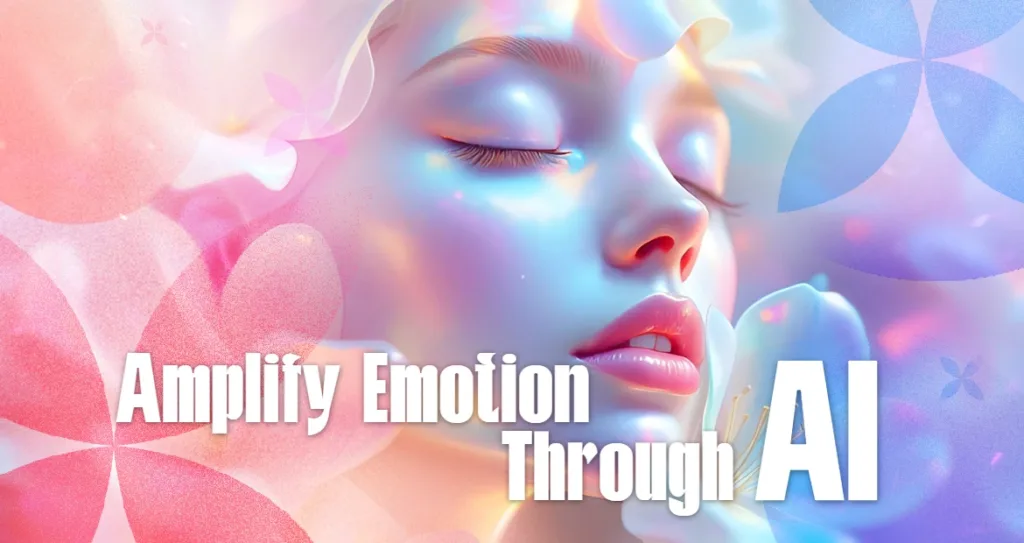
Spring 2026 represents a defining moment in the evolution of visual communication. AI storytelling has moved beyond automation and into the realm of amplification, where technology enhances, rather than replaces, the creator’s vision. The most impactful work of this season does not rely on AI alone; it thrives on the synergy between human intuition and intelligent tools. Designers, creative directors, and content strategists who succeed in 2026 are those who use AI in graphic design 2026 not to generate content at scale, but to deepen emotional resonance, extend reach, and uphold brand integrity across every touchpoint.
The design trends for creators emerging this spring—emotion-first narratives, adaptive layouts, inclusive visuals, sustainable workflows, and neo-montage aesthetics—all share a common thread: they put people at the center. Whether you are crafting an EDM, launching a social campaign, or developing brand assets, your role remains irreplaceable. AI may suggest a palette, resize a layout, or generate a background, but only you can decide what matters, what moves people, and what stays true to your story.
This is the power of a thoughtful AI-powered creative workflow: it gives you back time without taking away control. And with Pixlr, you have a platform built for exactly this purpose—offering intuitive AI tools that respect your craft, align with your brand, and adapt to your process.
As you step into the rest of 2026, let your creativity lead and your tools follow. Explore these trends with curiosity, refine with care, and create with confidence. The future of visual storytelling belongs not to the loudest algorithm, but to the most intentional creator. Start building your next AI story in Pixlr today—faster, smarter, and always with human purpose at its core.